Starting a new business is exciting, but managing everything effectively is important for long-term success.
When you start a business, you worry that cutting costs on services means you’re sacrificing quality, but if you have smart strategies, you can reduce expenses without impacting anything.
By implementing smart strategies for cost-cutting measures, businesses can maximize profits, achieve efficiency, and stay competitive in their field.
Learn how to achieve cost efficiency while managing customer satisfaction and maintaining growth.
1. Using technology to save costs
Technology has made business operations more cost-effective and efficient. Using cloud-based software reduces IT infrastructure costs by eliminating the need for costly hardware purchases and maintenance.
Automated tools for regular tasks like customer support, payroll, and invoices can handle daily tasks, allowing employees to focus on bigger tasks. By investing in customer relationship management (CRM) and AI-driven chatbot systems, businesses can handle customer interactions, reduce the need for employees, and improve response times.
2. Outsourcing repetitive tasks
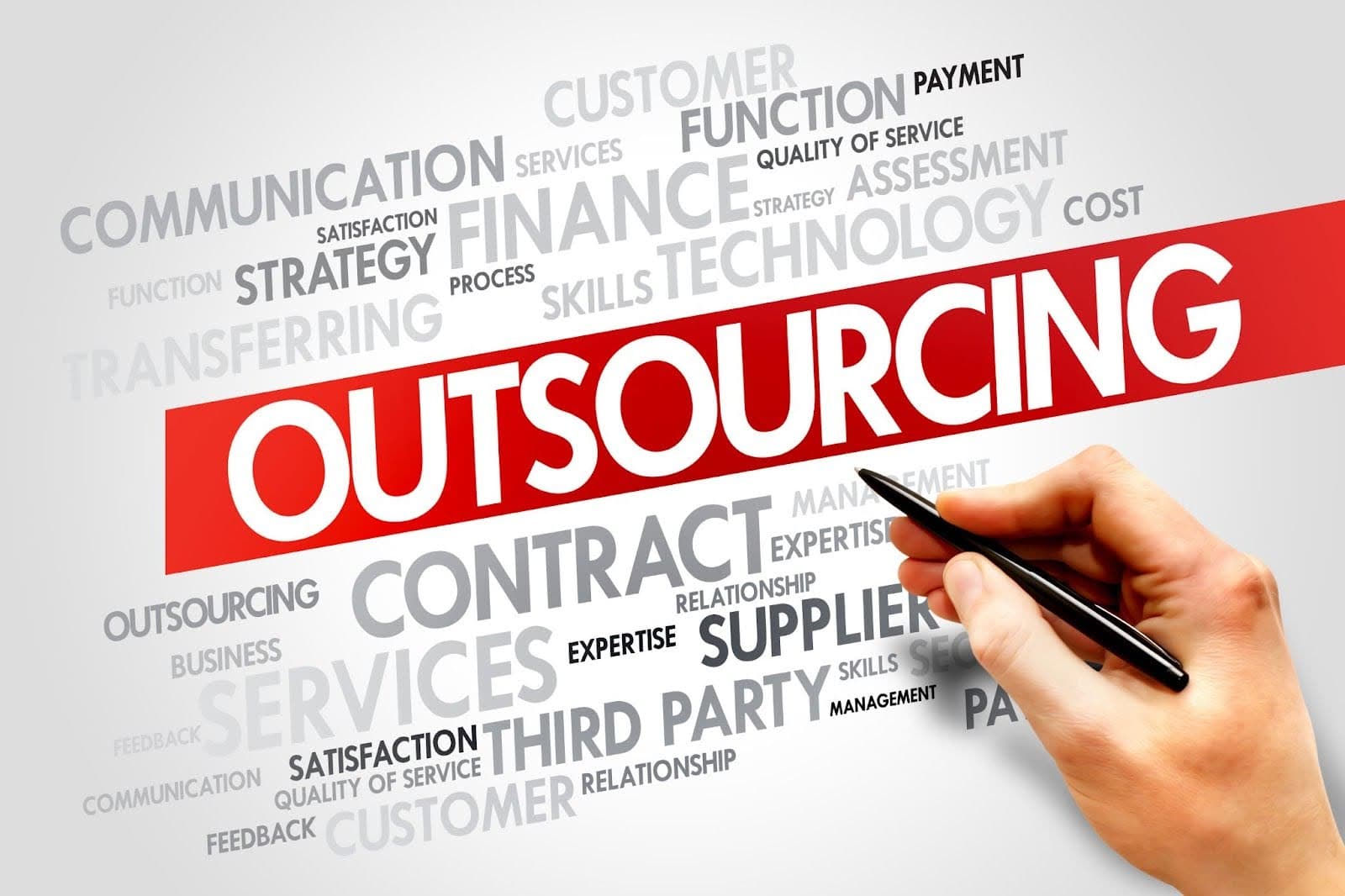
Most businesses try to manage everything in-house, but nowadays outsourcing has become a more economical option. Repetitive tasks like digital marketing, customer support, and IT services can be outsourced to expert freelancers or agencies at a lower cost than hiring full-time staff.
This allows businesses to focus on strategies and growth while staying competitive in the market. Additionally, outsourcing administrative and accounting functions can save a lot of money while maintaining efficiency.
3. Building strong relationships with suppliers
Another way to save costs is by building strong connections with suppliers to get flexible and better-priced payment terms. If businesses regularly explore bulk purchasing options, they can also secure discounts. Comparing prices ensures that you are getting the best deal from vendors.
Moreover, loyalty agreements or forming partnerships with suppliers can result in long-term cost savings. Don’t forget to renegotiate when market conditions change or according to your business needs.
4. Optimize office space and reduce overhead
Office expenses often take up a large part of a company's budget. When employees work remotely, businesses can save costs by using smaller office spaces, reducing utility bills and rent expenses.
Another way to save money is by renting out unused office areas. Using smart thermostats and energy-efficient devices can lower electricity costs. Additionally, reducing unnecessary expenses like excessive printing or coffee services helps control spending.
By using these smart strategies, companies can reduce overhead costs and optimize office space.
5. Employee retention and smart hiring
Hiring and training new staff is expensive, so companies should focus on making the most of their existing workforce. Payroll costs can be reduced by hiring contract workers or freelancers for specific projects.
Training employees to handle multiple roles ensures a more efficient and flexible team. Instead of constantly hiring, investing in employee satisfaction programs can reduce the costs associated with recruitment.
Offering performance-based incentives and remote work options can increase job satisfaction while cutting salary expenses.
Final thoughts
Cutting costs doesn’t mean compromising quality or productivity. Implementing smart strategies helps businesses reduce expenses while continuing to grow. Outsourcing, maintaining an efficient workforce, achieving long-term savings, and negotiating with suppliers all contribute to financial benefits and enable investment in innovation.
Start implementing these strategies today and watch your business achieve immense success.